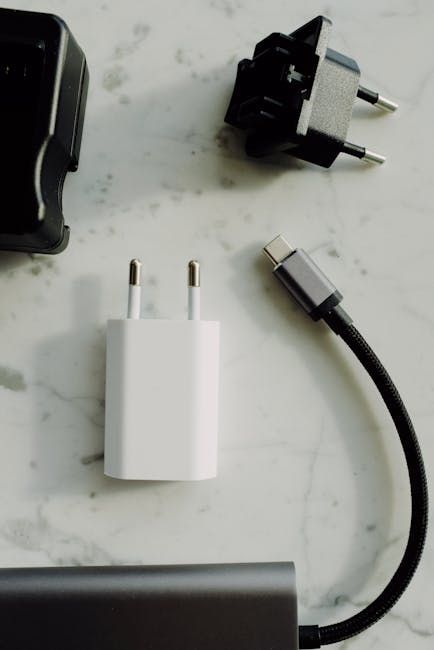
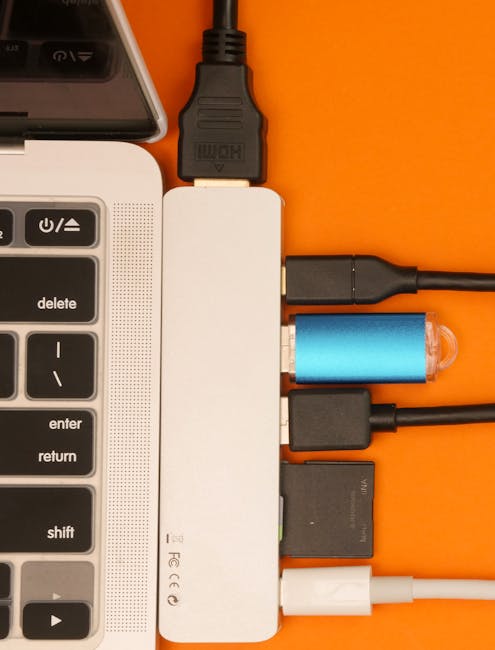
Here’s a fun (and annoying) tech truth: the shape of your port doesn’t guarantee what it can do. I’ve plugged “USB-C” into three different laptops and only one of them actually sent video. That’s why people end up with adapters that don’t work, or they think their laptop “can’t do 4K” when the real issue was the wrong port or cable type.
This guide compares USB-C vs Thunderbolt vs HDMI in plain language. You’ll learn which port to use for video, charging, docking, and gaming, plus the fastest way to avoid the most common mistakes. If you’re buying a monitor, a dock, or a new cable in 2026, this will help you spend money on the right thing the first time.
USB-C vs Thunderbolt vs HDMI: quick answer for busy people
If you want a simple rule: HDMI is the most straightforward for monitors and TVs. USB-C is great for charging and everyday video when it supports DisplayPort Alternate Mode. Thunderbolt is best when you need speed and flexible docking—but it’s not always labeled clearly, so you still have to check.
X is a port type. Y is the feature set a device actually supports. That’s the whole trick. Even two ports that look similar can behave very differently.
What each port really means (and why labels matter)
Ports are named in ways that sound simple, but the details are where people get burned. In 2026, most laptops and phones have moved toward USB-C, but video support depends on the device’s internal wiring and standards.
USB-C: a connector, not a promise
USB-C refers to the physical connector shape. It can carry charging, data, and video, but only if the device supports the right modes. USB-C supports different data speeds, and some USB-C ports are “data only” or “charging only.”
Look for notes like “supports DisplayPort Alt Mode” on the laptop specs. If you don’t see it, you should assume video is not guaranteed. This is one reason cheap USB-C-to-HDMI adapters disappoint.
Thunderbolt: built for speed and docks
Thunderbolt is a high-speed standard that runs over a USB-C style connector on many laptops. It’s designed for fast data plus video, and it’s the reason many people can plug one cable into a dock and get displays, storage, and Ethernet.
In real life, Thunderbolt setups usually feel more consistent than random USB-C adapters. Still, you should confirm the laptop port actually says “Thunderbolt” (or shows the lightning bolt symbol). Some devices accept Thunderbolt accessories, and some don’t.
HDMI: the monitor workhorse
HDMI is a video-first standard made for TVs and monitors. It usually handles audio and video together, and it’s common on home gear, projectors, and gaming consoles.
If you’re connecting to a display and you have an HDMI port available, HDMI is often the least headache. The main choice becomes whether you need HDMI 2.0 vs HDMI 2.1 features for higher refresh rates and resolutions.
Video quality and refresh rate: what you can expect in 2026
This is the part most buyers care about: “Will it do 4K?” “Will it do 4K at 60Hz?” Here’s the practical truth: the port type is only half the story. Cable quality, adapter support, and the monitor’s HDMI version matter a lot.
| Use case | Best pick | What to check |
|---|---|---|
| TV/monitor at 1080p or 1440p | HDMI or USB-C (with video support) | Minimum HDMI 2.0 support for smooth refresh |
| 4K at 60Hz (common for work) | HDMI (preferred) or Thunderbolt docks | HDMI 2.0/2.1 capability; adapter must support 4K/60 |
| 4K gaming with high refresh | HDMI 2.1 (best) or Thunderbolt dock | VRR/ALLM if your monitor supports it; correct cable |
| Dual monitors from a laptop | Thunderbolt (often easiest) | Dock supports your resolutions + refresh rates |
My go-to scenario: one cable to a desk setup
I build desks like this: laptop on a stand, one monitor on the side, maybe an extra display later, and a lot of USB gear. With only USB-C adapters, I often see weird limits—like one display forcing 30Hz or audio not working.
When I use a Thunderbolt dock, it’s usually stable. Not magical, just more predictable because Thunderbolt docks are built to manage video streams plus data at the same time.
What most people get wrong about USB-C video
The common mistake is assuming all USB-C ports do video. They don’t. Another mistake is buying a generic USB-C-to-HDMI adapter and expecting it to support the same features as your laptop’s spec.
Here’s a better approach: confirm the laptop port supports DisplayPort Alternate Mode, then buy an adapter that explicitly says it supports the resolution/refresh you want (like 4K/60). If your target is 4K/120, you’ll likely need specific HDMI 2.1 support through the right path.
Charging: which port keeps your laptop alive
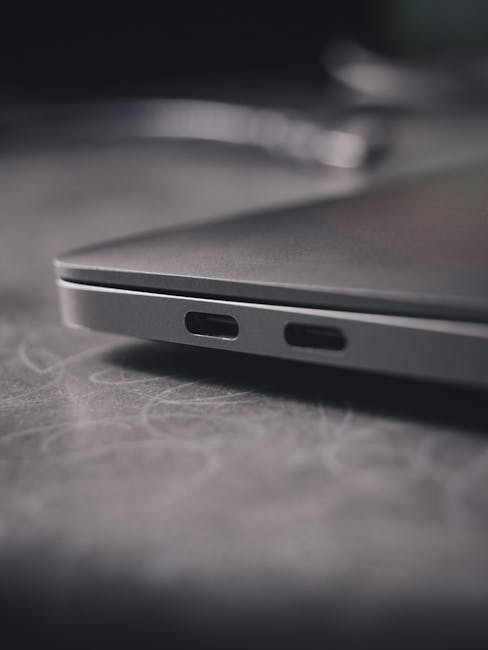

Charging is where USB-C shines, and it’s also where confusion happens because “USB-C” still doesn’t mean “fast charging.”
USB-C Power Delivery (PD) is the key
USB-C Power Delivery (PD) is the charging standard that controls power levels. Many modern laptops charge with USB-C PD, and the charger wattage matters. A 20W phone charger won’t feed a gaming laptop the same way a 100W or 140W laptop charger can.
In 2026, I treat wattage like a budget: check what your laptop expects. If your laptop needs 65W and you use a 30W charger, you’ll still “charge,” but it may trickle or slowly drain under load.
Thunderbolt ports often support charging too
Many Thunderbolt docks pass power through to your laptop. That’s handy because you can run everything from one cable. Still, not every dock provides full power, especially with smaller bus-powered hubs.
If you’re editing video or gaming, test charging while you work for 10–15 minutes. If the battery percentage drops, you don’t have enough wattage. I’ve run into this with compact docks.
HDMI doesn’t charge anything
HDMI is video/audio only. It won’t charge your laptop or phone. If you’re choosing between HDMI and a USB-C dock, remember you’re choosing different jobs.
Docks, adapters, and hubs: the real buying checklist
Adapters are where projects go off the rails. A dock can be a great shortcut, but only if the specs match your devices.
My step-by-step checklist before I buy
- Find your laptop port type. Look for the Thunderbolt logo or the exact wording in the laptop manual (not just “USB-C”).
- Check max display support. Some laptops do dual displays with Thunderbolt, but only one with USB-C. Specs usually list “one external display” vs “two external displays.”
- Match your monitor needs. If your monitor is 4K at 60Hz, confirm the dock or adapter claims 4K/60. If it’s a 144Hz monitor, you may need a direct HDMI/DisplayPort setup.
- Confirm power. If your laptop charger is 100W+, pick a dock that can deliver similar wattage. Otherwise expect slower charging or battery drain.
- Plan for audio. Many “video-only” adapters forget audio formats. If you use speakers via the monitor, check that audio output works on the dock/adapter.
Real-world examples: what I’ve seen work
Example 1: MacBook with a Thunderbolt-style port—Most modern MacBooks use Thunderbolt over USB-C, and Thunderbolt docks often drive dual displays smoothly. I’ve tested setups with one cable to a monitor plus USB drives without fighting with format resets.
Example 2: Windows laptop with “USB-C” but no DisplayPort Alt Mode—These setups can still charge and provide USB data, but they may not send video at all. In that case, HDMI is still the reliable route, or you need a laptop model/port that supports display output.
Example 3: Phone to TV—Many phones support video out over USB-C (often via DisplayPort Alt Mode), but not every phone model does. If you’re using a Samsung or Pixel device, check the exact “video output” feature in settings or in the device specs, then pick a matching cable.
People Also Ask: USB-C vs Thunderbolt vs HDMI
These are the questions I see over and over when people ask for help with cables. I’ll answer them directly so you can move on with your day.
Can USB-C replace HDMI for monitors?
Yes, USB-C can replace HDMI for monitors when the USB-C port supports video output (often called DisplayPort Alt Mode) and your adapter supports the resolution and refresh rate you need.
If your laptop’s USB-C port is data-only, USB-C can’t replace HDMI. In that case, you’ll need HDMI output through a different port or a different device.
Is Thunderbolt better than USB-C?
Thunderbolt is better when you need consistent high-speed docking and reliable multi-monitor support. Thunderbolt also tends to be more predictable about how many features work at once (video, Ethernet, USB, charging).
But Thunderbolt isn’t “better” for everything. If you’re just connecting a laptop to one 1080p monitor, HDMI or basic USB-C video support can be enough.
Will an HDMI cable work with USB-C?
Not directly. HDMI needs a device that can output HDMI video. If you want HDMI on a device with USB-C, you need a USB-C to HDMI adapter (or a dock) that specifically supports video output and the resolution you want.
Also make sure the adapter isn’t “USB-C to HDMI for charging only.” Some cheap listings use confusing wording. I check for explicit phrases like “video output” and “supports 4K/60.”
Which port is best for gaming at high refresh rates?
HDMI 2.1 is usually the best choice for high-refresh gaming when your monitor supports it. For laptops, a Thunderbolt dock can work, but you still need to confirm it supports the exact refresh rate over your chosen resolution.
If your monitor is 144Hz or 240Hz, you’ll often get the best results using the monitor’s native HDMI port with the right HDMI version, not a random USB-C adapter.
How to spot the right cables and adapters (without reading 40 pages)
Instead of memorizing every standard, use a short list of things to look for on the box or product page. This saves time and stops the “why is it blurry?” problem.
Adapter wording that matters
- “Supports DisplayPort Alt Mode” (for USB-C video out)
- “4K/60Hz supported” (or the exact number you need)
- “HDCP support” (copy protection for streaming/video content)
- “Power Delivery pass-through” (if you want charging while docked)
Length and cable quality: the boring detail that fixes issues
Long cables and cheap adapters can cause handshake problems. For 4K, I keep USB-C-to-HDMI runs reasonable (often 1–2 meters). For HDMI, use a cable that’s rated for the format you need, especially for HDMI 2.1 features.
If you see flicker or “no signal,” don’t assume your port is broken. Power off the monitor, reseat the cable, and try a different HDMI input on the TV/monitor. Handshakes are picky.
Security note: ports and docks can open new risk paths
This is the part people ignore. When you plug in docks and adapters, you’re also plugging in new hardware that can access your laptop like any other device.
I’ve written about device risk in our USB device security risks and why “charging cable” problems aren’t just a myth. If you travel or connect to unknown docks, be careful. Use a cable with data you trust, and consider a USB data blocker when charging-only is fine.
Also, if your dock includes extra ports like USB-A and SD readers, treat it like you’re plugging in random peripherals. That’s not fear-mongering—it’s just good hygiene.
My recommendation: pick based on your goal, not the connector shape
The fastest way to choose is to start with the outcome you want, then match the port that best supports it. Here’s how I decide.
Choose HDMI when you want plug-and-play with TVs and monitors
If you’re connecting to a display you already own, HDMI wins on simplicity. It’s easy to confirm, easy to troubleshoot, and it works across gaming consoles, streaming devices, and most projectors.
Choose USB-C when you want charging plus “good enough” video
If your laptop and adapter both support video out, USB-C can clean up desk clutter. One cable for charging and display is great when you’re working in a small space.
Just don’t assume every USB-C port sends video. Check the laptop spec or the port features in your system settings.
Choose Thunderbolt when you want a true dock setup
Thunderbolt is the choice for multi-monitor desks, fast storage, Ethernet, and lots of USB devices with fewer headaches. If you’re building a workstation around a laptop, Thunderbolt docks are usually the smoothest path.
Downside: it can cost more, and some USB-C “Thunderbolt-looking” ports don’t actually behave like Thunderbolt. Always verify the label or spec.
Conclusion: the actionable takeaway to avoid the wrong adapter
Here’s the rule I use every time I’m helping a friend or buying gear for myself: USB-C vs Thunderbolt vs HDMI isn’t about the connector shape—it’s about what your device and adapter explicitly support.
For displays, default to HDMI when you can. For one-cable charging plus monitor output, use USB-C only if video out is confirmed on that port. For docks and multi-monitor setups, choose Thunderbolt and verify it can handle your resolutions and wattage.
If you want, tell me your laptop model and your monitor resolution/refresh (like “4K 60Hz” or “1440p 144Hz”), and I’ll suggest the safest port and adapter path for your exact setup.
Internal reading you may like: If you’re tightening up your whole setup, pair this guide with our 2026 best USB-C docks and what to watch for and our how to fix “no HDMI signal” in under 5 minutes.
Featured image alt text: USB-C vs Thunderbolt vs HDMI ports on a laptop for connecting monitors and docks
About the Author