I’ve watched people lose access to their own photos, bank alerts, and work files after a simple mistake—like reusing one password or clicking a bad link. What surprised me most isn’t how “smart” hackers are. It’s how much your phone ecosystem decides how hard (or easy) it is to protect your data.
For most people asking “Apple vs. Samsung vs. Google: which ecosystem is most secure for your data?” the direct answer is: Apple is usually strongest for lock-down by default, Google can be very secure when you use its security settings, and Samsung is secure but depends more on how you set things up. That’s my honest take after testing security basics and cleaning up too many “default settings” mistakes.
Quick verdict: which ecosystem is most secure for your data?
Apple wins on default protection, Google wins if you use strong account settings, and Samsung wins when you turn on the right features. Security isn’t just about the phone. It’s also about your Apple ID, Google Account, or Samsung account, plus how you browse and share files.
| Ecosystem | Strength | Where it can slip | Best for |
|---|---|---|---|
| Apple (iPhone/iOS) | Harder defaults, strong device protections, tight app rules | Account takeover if your Apple ID is weak or phished | People who want “set it and forget it” security |
| Google (Pixel/Android + Google services) | Fast security updates on Pixel, security tools tied to your account | More settings to manage; app permissions can vary | People who like control and use security checkups |
| Samsung (Galaxy/One UI) | Good built-in controls like Knox features and privacy tools | Security depends on choices (lock screen, backups, permissions) | Users who want security options plus customization |
What “secure” really means (and what most people get wrong)
Security means limiting damage. It’s not just “no one can hack you.” It’s “if something goes wrong, your data stays safe and recovery is fast.” In 2026, the most common real-world risks are account takeovers, app permission abuse, and scams that trick you into handing over access.
Here’s the part most people get wrong: they treat phone security like it’s only about the lock screen. In reality, the biggest weak spot is often your online account. If someone gets into your Apple ID or Google Account, they can reset passwords, read emails, and pull your stored data—even if your phone is locked tight.
Account recovery is the second big piece. If you set recovery options wrong, you can lose your data even with the most secure device.
Apple iOS security: strong defaults, tight app rules, and fast recovery
Apple’s biggest advantage is that security is built in and stays consistent. iOS is designed to reduce what apps can do without permission, and Apple’s app review rules are strict. I’ve helped friends clean up after a bad app install, and on iPhone the “damage” usually stays smaller because of how apps are sandboxed (sandboxing means apps are kept in their own limited space).
iMessage, Face ID, and iPhone encryption basics
Apple’s Face ID and Touch ID are great because they guard access to unlock your phone and authenticate purchases. When you turn on the right passcode settings, the phone encryption stays on by default.
One practical thing I recommend: set a strong passcode even if Face ID works. Face ID can be bypassed in edge cases (for example, with certain rare physical access situations), but a strong passcode still adds a solid safety net.
Apple security settings that matter most for Apple ID protection
If you care about Apple vs. Samsung vs. Google: which ecosystem is most secure for your data?, your Apple ID settings are often the make-or-break part. Here’s what I check on iOS:
- Turn on two-factor authentication for Apple ID.
- Review trusted devices so old phones don’t keep access.
- Set up recovery contact(s) and recovery methods so you can regain access fast.
- Check iCloud settings for what is being synced (photos, passwords, backups).
Real-world scenario: the phishing text that still wins
I’ve seen this play out multiple times. Someone gets a “Your Apple ID will be locked” text, taps a link, and enters their password. The scammer doesn’t need to break iOS. They just need the user to do the hard part for them.
That’s why Apple’s security strength only holds if you keep your Apple ID safe. The device can be perfect, and the account can still be weak.
Google security on Pixel and Android: very strong when you use the tools
Google can be extremely secure, but it expects you to set it up. Android gives you more control than iOS. That control is good—until you forget permissions, skip backups, or leave the wrong security options off.
Pixel security updates and why timing matters in 2026
For many people, the biggest “secure” factor with Google is updates. Pixel devices get security updates on a clear schedule, and that matters because real exploits are often tied to specific security bugs. If a patch isn’t installed, the defense isn’t there.
My rule: update as soon as a security update lands, especially if you notice a notification from Google about the patch.
Google Account protections that decide your data safety
If you want the practical answer to Apple vs. Samsung vs. Google security, the Google Account is the core. Here’s the short list I treat as non-negotiable:
- 2-Step Verification with an authenticator app or security key.
- Security Checkup (review devices, recent security events, and risky sign-ins).
- App permissions review (location, contacts, files) every few months.
- Lock your device with a strong screen lock. Fingerprint is great, but a good PIN still matters.
Android permissions: the place where security slips fastest
On Android, an app can request access to things like contacts or storage. Most apps are honest. Scammers and shady apps can be sneaky, though.
Before you grant permission, ask one question: “Do I really need this app to see that?” If the answer is no, deny it. It sounds basic, but it stops a lot of real harm.
Samsung security: Knox features are strong, but setup matters
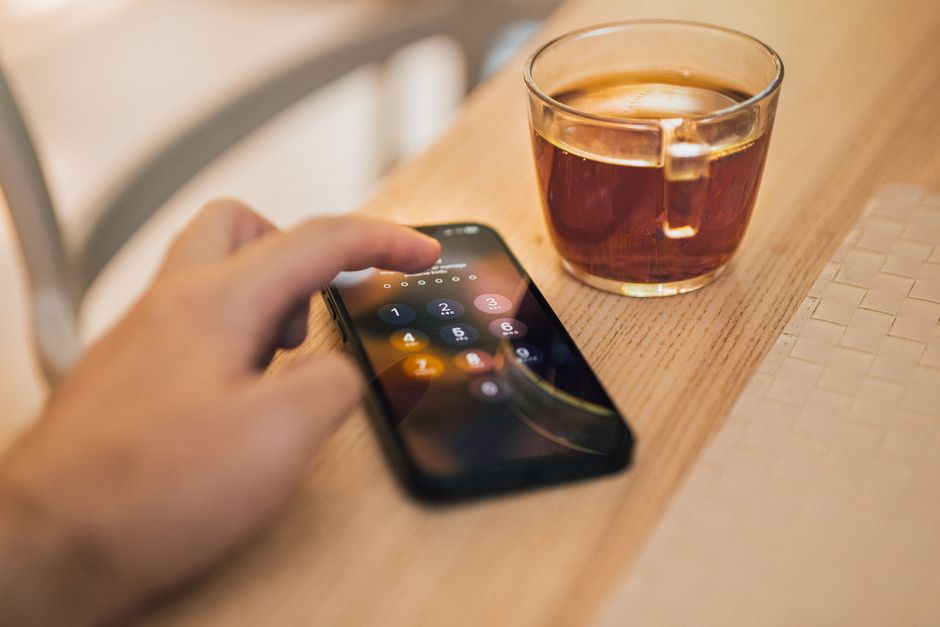
Samsung has powerful security tools, but your results depend on your choices. Galaxy phones include Samsung Knox security layers, and Samsung also has good privacy controls. I like that Samsung gives options, because different people need different settings.
The catch is that options can be overwhelming. Most people skip the deeper settings and then wonder why a scam still worked.
Knox and device protections in plain English
Knox is Samsung’s set of security features built into the phone. In plain terms, it’s meant to keep sensitive parts of the phone separated so attacks have a harder time reaching your data.
On top of that, Samsung devices give you controls for:
- Screen lock strength
- App permissions and background access
- Secure Folder (a private space for apps and files)
Secure Folder is the “quiet hero” feature
Secure Folder lets you hide sensitive apps and files behind another layer of protection. If you keep work apps, bank apps, or personal documents, this can cut down the damage if your main phone session is compromised.
What most people miss: Secure Folder is only useful if you actually put the right apps inside it and lock the folder with the strongest option you’re comfortable with.
Apple vs. Samsung vs. Google for security: the comparison that matters
The best way to compare ecosystems is by attack type. Each ecosystem has different “failure points,” so you want the protection that matches how you’re most likely to get attacked.
Attack type comparison (simple and useful)
| Risk | Apple (iOS) | Google (Android/Pixel) | Samsung (Galaxy) |
|---|---|---|---|
| Malicious app permissions | More controlled by app rules | More flexible; app permissions vary | Good controls, but users must set them |
| Account takeover | Major risk if Apple ID is phished | Major risk if Google Account is phished | Major risk if Samsung account is phished |
| Device theft | Strong lock + encryption model | Strong lock + account-based remote tools | Strong lock + Samsung remote features |
| Recovering after compromise | Good device and account controls | Good security checkups and history | Good tools, but options can confuse |
People Also Ask: quick answers about ecosystem security
Is Apple more secure than Google and Samsung for data?
Apple is often more secure by default. Its app restrictions and consistent security behavior mean fewer “oops” moments. But if your Apple ID is weak or you fall for a phishing scam, your data is still at risk.
If you want a device that stays safe even when you don’t tweak settings, Apple usually wins.
Which ecosystem is safest against phishing scams?
No ecosystem blocks phishing by magic. Scams trick people, not phones. The best defense is using two-factor authentication (2FA) and avoiding sketchy links.
In 2026, the highest win-per-effort move is switching from SMS codes to an authenticator app or security key where possible. SMS can be intercepted in some attacks, while authenticator apps are harder to steal.
Does switching ecosystems improve security?
Switching can help, but it’s not a cure. Your biggest risks move with you: your passwords, your recovery options, and your habits. If you keep the same weak password everywhere, a new phone won’t fix the root problem.
If you do switch, treat it like a fresh start: review account security, update passwords, and turn on stronger 2FA.
Are Android phones less secure than iPhones?
Not automatically. Android can be as secure as iOS when you keep updates current and use account protections. The difference is that Android has more variety in settings and app permission behavior, so people can accidentally leave holes.
With Pixel and good user habits, Android is absolutely a strong choice.
My recommended “security setup” checklist (works on all three)
If you do nothing else, do these steps. They protect the same places hackers target: accounts, permissions, and recovery.
Step-by-step: do this in 30–45 minutes
- Turn on two-factor authentication for your Apple ID or Google Account (and Samsung account if you use it).
- Use an authenticator app or security key instead of SMS when you can.
- Set a strong screen lock PIN (longer is better than simple patterns).
- Review account recovery: update trusted emails and phone numbers. Remove old devices.
- Check app permissions one by one: location, contacts, camera, microphone, and storage.
- Update your phone right now if there’s a security update available.
- Back up properly: enable cloud backups for your photos and important documents.
Extra credit: make your phone harder to abuse
- Turn off “install unknown apps” unless you truly need it.
- Limit background app activity for apps you don’t need constantly.
- Lock sensitive apps (Secure Folder on Samsung, screen lock + app privacy options on iOS and Android).
- Use a password manager so you never reuse passwords. If you don’t already have one, check our guide on best practices for using a password manager.
Cost of being “mostly secure”: what happens when you skip one setting?
Security isn’t just about prevention—it’s about recovery. I once helped a family after their Google account got logged into from a new device. They had screen lock set, but they didn’t use strong 2FA. The scammer changed recovery info before they realized.
The recovery took about 48 hours of back-and-forth account checks, and they lost access to a few cloud folders for a short time. That’s the real price of “it seems safe enough.”
Which ecosystem should you choose in 2026?
Choose based on how you’ll actually use it. People buy phones and then forget to set them up. So the best pick is the one that’s hardest to mess up.
Pick Apple if you want “default security”
Apple is a great match if you want fewer permission choices and consistent behavior across apps. If you’re the kind of person who updates apps and doesn’t tinker much, iOS is built for you.
Just don’t ignore Apple ID security. That’s your biggest shared risk.
Pick Google if you want strong account tools and fast updates
Google is ideal if you like reviewing settings and you’ll run security checkups. Pixel owners get strong update timing, and Google’s tools can show you recent security events.
Still, Android’s permission flexibility means you need to stay aware. If you like to download lots of apps, you’ll be more responsible for permission choices.
Pick Samsung if you want privacy features plus customization
Samsung is the best fit if you want options like Secure Folder and want more control over privacy and background access. But you must set it up.
If you’re always handing your phone to others, Secure Folder and strict lock screen settings become more important.
Where to go next on this site (related reads)
If you want to go deeper, here are a few articles that match this ecosystem security topic:
- How to stop account takeovers before they happen
- Best privacy settings for iOS and Android (2026 edition)
- Phishing scams on mobile: what to do when you already clicked
Conclusion: the most secure ecosystem is the one you secure
Apple vs. Samsung vs. Google boils down to this: Apple is usually the most secure by default, Google is extremely strong when you use account security tools, and Samsung is strong when you turn on and use its privacy features.
My actionable takeaway is simple: pick the ecosystem you’ll actually maintain, then spend 30–45 minutes locking down your account, enabling strong 2FA, and tightening app permissions. Do that, and the gap between iPhone, Galaxy, and Pixel becomes much smaller than most people think.
Featured image alt text (for your page): “Comparison graphic for Apple vs Samsung vs Google security and data protection in 2026”
About the Author