
Hourly vs. daily rental pricing: the “rate” is only half the bill
Here’s the surprise: the hourly or daily price is rarely the main reason your total cost goes up. The bigger changes usually come from delivery, minimum rental blocks, fuel or refuel rules, and what counts as “one day.” In other words, two people can rent the same kind of machine and still pay very different totals.
In 2026, most renters compare only the sticker price on the quote. I’ve seen how that goes—people book the “cheaper” hourly rate, then get hit with extra charges because the job takes longer than expected or because the rental clock starts earlier than they thought.
Definition: Hourly rental pricing charges you by the hour the equipment is out (or when the rental period begins, depending on the contract). Daily rental pricing charges you by a day-sized block (often 8–10 hours), with rules that say what happens if you go over that block.
Pricing Breakdown for Hourly vs. Daily Equipment Rental: the key cost buckets
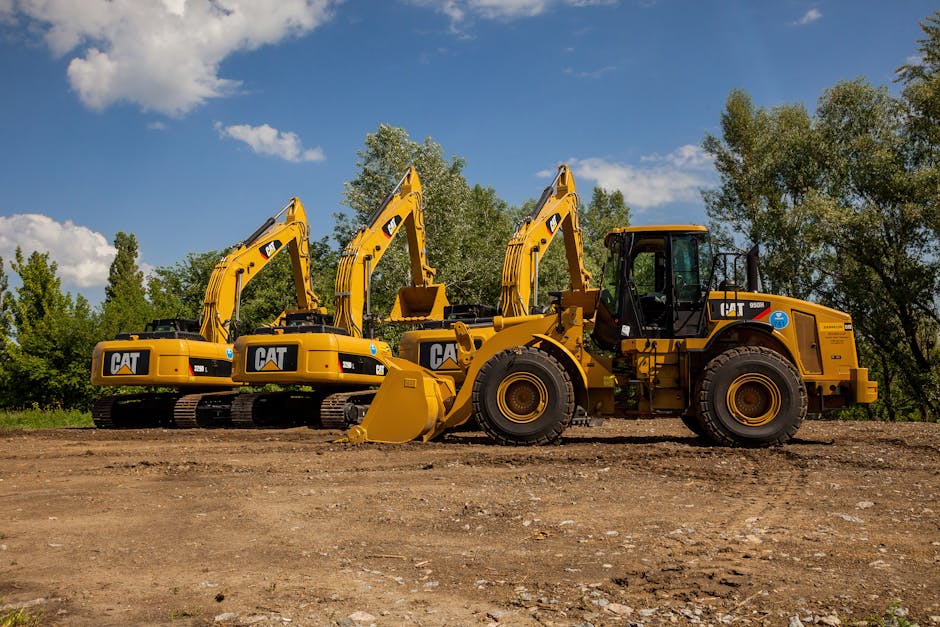
Both hourly and daily rental pricing usually add up from the same cost buckets. The difference is how each company bundles them and how your timing affects the math.
1) Base rate (hourly clock vs. daily block)
The base rate is the number you see first. Hourly rates look small at first, but the bill grows fast if your timeline slips.
Daily rates look bigger, but they often cover a full work window. Many suppliers treat a “day” as a set number of hours, not 24 hours.
2) Minimum charge and start/stop rules
Minimum charge rules can change everything. A company may require a 4-hour minimum for hourly rentals, even if you only need 2 hours. Daily rentals may require a full day even if you finish in half a day.
Also check when the clock starts: at delivery time, at equipment handoff, or at a specific hour you agree on. That one detail can add 1–3 hours to your bill.
3) Delivery, pickup, and travel distance
Delivery fees are where hourly vs. daily starts to split. If delivery is a flat fee, daily rentals can look cheaper because you spread the delivery fee across more hours.
If a supplier charges per trip or per kilometer, then moving the machine less often (fewer trips) helps. For short jobs, delivery alone can be the largest line item.
4) Operator vs. self-serve (this changes the category of the rental)
Self-serve rentals are priced differently than “with operator” rentals. If you’re renting a skid steer or mini excavator and you’re not using a skilled operator, you’re taking a risk.
Even if you save money on the rental rate, mistakes can turn into rework costs. I’ve watched crews spend hours fixing a poorly graded surface after the equipment was returned.
5) Fuel, fluids, and consumables
Some rentals include fuel. Many do not. Others include fuel for a certain runtime (like “up to 4 hours”), then charge you for extra.
Hydraulic oil, coolant checks, and wear parts (like cutting edges for excavators) also show up in pricing rules. It’s not always in the base rate.
What changes your final cost most: timing and the “day” definition
The biggest driver is how your work time fits into the rental pricing unit. A “day” that’s 8 hours can be cheaper than hourly if your job fits under that block.
But if your plan turns into 11–12 hours, daily pricing can stop being a win.
How “one day” is usually counted in equipment rentals
In many real rental contracts, a day is 8 hours, sometimes 9 or 10. Then there’s an overage rule—either you pay a half-day fee, hourly fees after the day ends, or you’re asked to start another rental day.
Here’s how that plays out with a simple example.
Example: trenching job that runs long
| Scenario | Hourly rate | Daily rate | What happens |
|---|---|---|---|
| 8 hours total | €45/hr | €320/day | Hourly = €360, daily = €320 (daily wins) |
| 10 hours total | €45/hr | €320/day + overage | Hourly = €450. Daily often adds a half-day or extra hourly charges (depends on contract) |
| 14 hours total | €45/hr | 2-day minimum or 2 blocks | Hourly = €630. Daily could become €640+ if it flips to a second day charge |
Notice something: the “daily” option only stays cheaper when your hours fit nicely. If your work is unpredictable—like digging around old pipes—hourly can be safer even if the number looks higher.
Hourly rental vs. daily rental: pros, cons, and when each one wins
Pick hourly when your job is short, your timing is uncertain, or you’re waiting on something else (like an inspection or a delivery).
Pick daily when you know you’ll keep running the equipment during a full work window and you want to reduce delivery repeats.
When hourly rental is the better deal
- You need 1–6 hours and the supplier doesn’t hit you with a high minimum block.
- You’re doing staged work (like rough grading today, finishing tomorrow). You can match the rental to each stage.
- You expect delays (weather, permits, locating utilities). Hourly handles the “stop and go” reality.
- You’re testing a process—like whether a certain attachment works on your soil.
When daily rental is the better deal
- You have a clear work window (example: 8–10 hours of land prep on a weekday).
- Your delivery cost is flat, so spreading it across a full day saves money.
- You need more runtime and the contract is friendly about overage (some are better than others).
- You’re coordinating multiple tasks that happen in the same trip.
What most people get wrong
People assume “daily” means you can keep the machine all day and return it whenever. In practice, it often means you’re locked into a specific rental window with strict start and end times.
Another common mistake: ignoring the attachment plan. If you rent a mini excavator but you also need a specific bucket type (rock bucket vs. grading bucket), the rental price isn’t the only thing that changes—your job speed does too.
People Also Ask: Hourly vs. daily equipment rental
Is hourly equipment rental always cheaper?
No. Hourly rental can be cheaper for very short jobs, but minimum hours, delivery fees, and overage charges can flip the result fast. If a contractor needs the machine for a full workday, daily pricing often wins.
My rule of thumb: if you’re confident you’ll use the equipment for most of the day (and the rental contract doesn’t have aggressive minimums), daily usually ends up lower.
What’s the difference between “one day” and 24 hours?
“One day” in rental language is usually a workday block, not a full 24-hour period. Many companies count it as 8–10 hours. If you keep the equipment overnight, charges can double or you may need to start another daily block.
Always ask: “How many hours are in one rental day, and what time does the day start?”
Do delivery and pickup fees change my hourly vs. daily cost?
Yes, and they often decide the winner. If delivery and pickup are a flat trip fee, daily rentals tend to look better because you pay the trip once and get more runtime. If delivery is charged per kilometer or per hour of travel, location matters even more.
That’s why I always compare quotes that include delivery, not just the equipment rate.
Can I extend an equipment rental after I start?
Usually yes, but it’s not guaranteed and it’s not always cheap. Many suppliers charge in the same pricing unit you started with, plus a possible rush fee if they need to rearrange another job.
For self-serve rentals, extension rules often include a new signature or an updated payment link.
Does returning equipment early save money?
It can, but it depends on the minimum charge rules. Hourly rentals sometimes refund unused hours if the contract allows early stop billing. Daily rentals may not refund if you already paid for the full day block.
This is why I prefer hourly for “maybe” days and daily for “yes” days.
Step-by-step: calculate the real cost before you choose hourly or daily
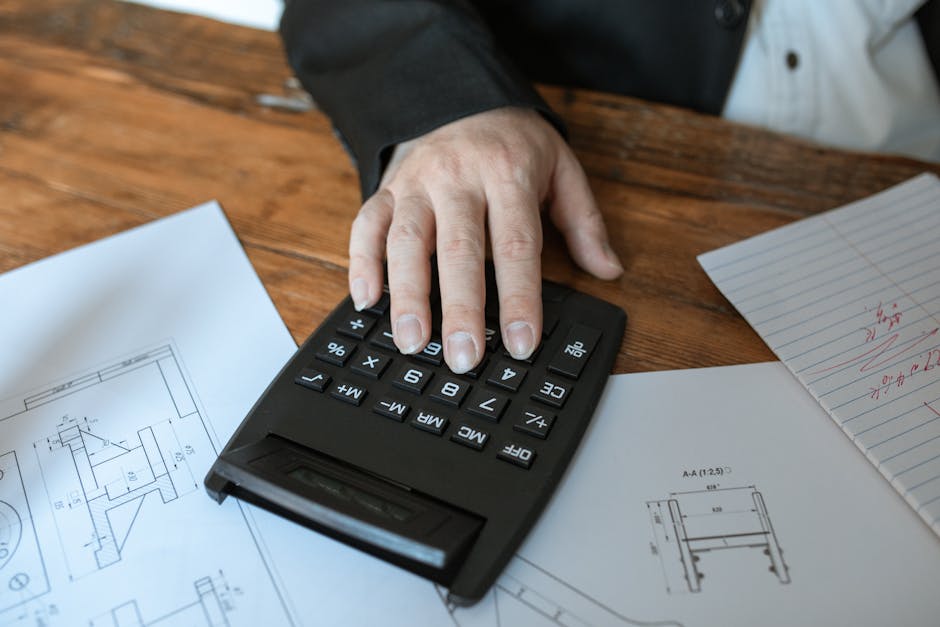
If you want the cheaper option, don’t compare only the base rate. Add up the total cost using a simple checklist and a rough timeline.
Step 1: Write a realistic runtime, not your best-case plan
Take your task list and add time for setup, moving the machine around the jobsite, and cleanup. For example, if you think trenching will take 5 hours, assume 6–7 hours the first time.
Then add a buffer for “surprises,” like rocks, old cable, or wet ground.
Step 2: Ask for the contract timing details
Before you book, get answers to these questions in plain language:
- When does the rental clock start?
- What counts as a “day” (how many hours)?
- What’s the minimum rental block?
- How are extensions billed?
- Is delivery and pickup included or billed separately?
If you can’t get clear answers, that’s a red flag. Pricing gets messy when rules are unclear.
Step 3: Build two totals using the same assumptions
Create two quick totals: one using an hourly model and one using the daily model. Use the same delivery/pickup assumptions in both.
If the daily quote includes a discount but delivery is higher, it might not actually be cheaper.
Step 4: Check your attachment and operator plan
This is where tech renters often miss the connection. The right attachment changes productivity, which changes your runtime, which changes your rental total.
Example: a grading bucket gets you smoother surfaces faster than forcing a general bucket. Less time means less rental spend.
Step 5: Confirm the “return condition” rules
Some rentals charge if the machine isn’t returned clean enough, or if wear items need replacement. Make sure you understand what you’re responsible for.
It’s not about trying to be tough—it’s about avoiding surprise fees.
Real-world example: picking between hourly and daily for a small site
Let me share a scenario I’ve seen play out on small sites. A homeowner needs to prep a yard area for paving. They rent a compact loader for moving soil and a mini excavator for digging shallow footings.
They start Monday morning, plan for 1 day, but hit a delay because a utility line is deeper than expected. The crew still works, but now it turns into a second half-day.
When they reviewed the quote later, the “daily” rate was not as cheap as they thought because the company counted a day as a specific 8-hour block and overage kicked in at a high hourly rate. If they had booked hourly for the same window, the total could have been lower.
Now flip the example: another job uses the equipment continuously and finishes within the day block. Daily pricing becomes the clear win because delivery and the initial minimum block get spread out.
Where local rental providers can change the pricing math
Pricing breakdown is not only about hourly vs. daily. It’s also about how close the rental yard is to your site and what models they stock for your needs.
For example, if you’re in the Vilnius area and your project is within a short travel radius, delivery and setup time can be lower. That makes both hourly and daily rentals more predictable.
A practical pointer for Vilnius-area renters
If you’re comparing quotes and you want something that’s easier to coordinate for local work, you can check bobcatnuoma.eu. They offer competitive and transparent pricing for both hourly and daily options, and their setup is built around Bobcat-style work like digging, leveling, and moving materials within Vilnius and about 50 km around it.
I like sites that clearly separate pricing options because it helps you ask the right questions: what’s included, what isn’t, and how the rental clock works for your exact job size.
How this connects to other tech topics on your site
Even though equipment rental is “physical,” the planning part looks a lot like good tech work: you verify the inputs, you check the timeline, and you avoid hidden costs that show up after you start.
If your blog readers like practical guides, you can also connect this to project planning habits in tech work. For example, your How-To & Guides category can cover how to document requirements and reduce rework—same idea, just different tools.
And if your audience follows security news, it’s worth remembering that contractors also deal with data: jobsite photos, invoices, and service contracts. Those documents are often shared by email or messaged apps, which can become a privacy risk if you don’t think about it. This is a good place to remind readers to be careful with attachments and links (you can cover that in your Cybersecurity category).
Bottom line: choose hourly or daily based on your runtime certainty
Here’s the clear takeaway: hourly rental pricing is best when your work time is uncertain or short, and daily rental pricing is best when you can keep the machine busy inside the rental day block.
To get the lowest final cost, compare quotes using the same assumptions for delivery, minimum blocks, overage rules, and return conditions. Ask about what “one day” actually means in hours, then match it to your plan.
If you do that, you stop guessing and start choosing with numbers. That’s how you avoid the most common “cheap quote” trap—and get a rental bill that feels fair.
Quick checklist you can copy into your notes
- How many hours are in one rental day?
- What is the minimum charge for hourly rentals?
- When does the clock start (delivery vs. handoff)?
- Are delivery and pickup included or separate?
- What are the extension and overage rates?
- Is fuel included? If not, how is refuel handled?
- What return condition rules can trigger fees?
Suggested internal links for your site
If you already have posts that help readers compare gear or plan jobs, link them in the same spot where people decide between rental options. Here are a few anchor ideas you can use (edit to match your actual URLs):
- compact excavator vs. mini loader guide (tie to choosing the right equipment to reduce rental time)
- how to plan a jobsite workflow (tie to runtime certainty and less rework)
- best practices for sharing work documents safely (tie to cybersecurity of invoices and site photos)
Featured image alt text idea (for your CMS): Pricing breakdown for hourly vs. daily equipment rental showing a delivery truck and a rental clock overlay.
About the Author